
The Allure of Risk and Reward
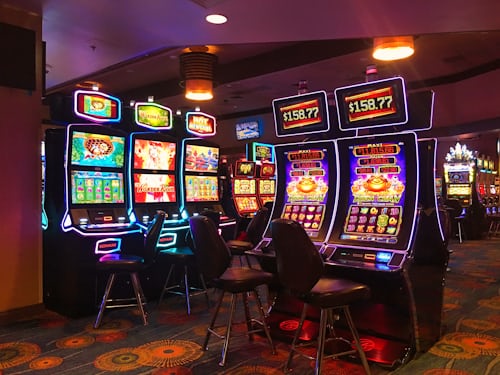
The psychology of gambling is deeply intertwined with the concepts of risk and reward. For many individuals, the thrill of potentially winning a substantial amount of money draws them into casinos. This allure is often heightened by the carefully crafted atmosphere of these establishments, designed to stimulate the senses and create an exhilarating environment. The bright lights, engaging sounds, and the sight of others winning can trigger a rush of excitement, prompting individuals to take risks they might not normally consider in their everyday lives, especially when they explore options like online pokies real money that enhance their gaming experience. The combination of uncertainty and potential payoff creates a compelling pull that keeps players returning for more.
This craving for risk can be attributed to various psychological factors, including the uncertainty of outcomes, which ignites a sense of adventure. The unpredictability involved in gambling activates the brain’s reward system, releasing dopamine, a neurotransmitter associated with pleasure and satisfaction. This chemical reaction fosters a cycle of behavior where the gambler seeks to replicate the euphoric feeling of a win, leading to increased engagement in gambling activities. The anticipation of winning can be as thrilling as the win itself, creating an emotional rollercoaster that many find irresistible.
Moreover, the immediate gratification that comes with winning—such as hitting the jackpot on a slot machine—can reinforce this behavior. Individuals may find themselves returning to the casino, driven by the desire to relive the exhilaration of past successes while disregarding the financial impacts involved. The combination of emotional highs from wins and the hope for future wins creates an enticing environment that captivates many. This complex psychological landscape sustains gambling habits and can lead to a cycle that is hard to break, as players become conditioned to chase that next high.
The Role of Cognitive Biases
Cognitive biases significantly influence gamblers’ decision-making processes and perceptions of odds, often leading to flawed judgments about their likelihood of winning. One of the most prevalent biases is the “illusion of control,” where individuals believe they can influence the outcome of random events. For example, some gamblers may think that their betting strategies or rituals can sway the results in their favor, despite the inherent randomness of games like roulette or slot machines. This misguided belief often leads players to place more bets, as they are convinced that they can ‘predict’ outcomes, which can result in increased financial losses over time.
Another common bias is the gambler’s fallacy, which is the erroneous belief that past outcomes will impact future events. For instance, someone might think that if a certain number hasn’t appeared on a dice roll for several rounds, it is more likely to appear soon. Such misconceptions can cloud judgment and lead to illogical betting patterns, as gamblers may continue to play in hopes of their perceived patterns being validated. These biases can create a false sense of security, making it difficult for players to recognize the true randomness of gambling outcomes.
These cognitive biases contribute to the ongoing cycle of gambling, where players are enticed to keep wagering due to distorted perceptions of their chances of winning. Casinos often exploit these cognitive tendencies by strategically designing games that highlight wins while downplaying losses, thus perpetuating the cycle of gambling behaviors. Understanding these biases is crucial for both players and professionals in the gambling industry, as it can lead to healthier gambling practices and a greater awareness of potential pitfalls that could arise from these distorted perceptions.
The Social Aspect of Gambling
Gambling is not solely an individual activity; it is often a social experience that enhances its appeal. Casinos frequently serve as social hubs where individuals gather to enjoy games, share experiences, and celebrate wins together. The communal environment fostered by group gaming activities, like poker tables or large bingo halls, can amplify excitement and create a sense of belonging among players. This social aspect can be a significant motivator, as the experience of camaraderie can overshadow the potential financial risks involved, making the act of gambling feel more like a shared adventure.
Moreover, the dynamics of peer influence play a role in gambling behaviors. Individuals may feel encouraged to gamble due to the actions of friends or family members, creating a collective atmosphere that normalizes and even glamorizes gambling. Activities like group outings to casinos or participating in poker nights can lead to an increased willingness to engage in gambling, often under the guise of socializing rather than focusing solely on monetary outcomes. The social validation from peers can make gambling appear more acceptable, leading to increased participation and potentially harmful behaviors.
The social aspect does not just enhance enjoyment; it can also create a psychological commitment to gambling. When individuals are part of a group experience, they may feel pressured to continue playing to maintain their social standing or to avoid feeling left out. This social pressure can heighten emotional responses to wins and losses, further entrenching gambling behaviors. Thus, the fabric of social interactions woven into the gambling experience amplifies the likelihood of continued participation, making it essential to consider the social dimensions when examining gambling psychology.
Emotional States and Gambling Behavior
The emotional landscape of a gambler plays a crucial role in their gaming choices and outcomes. Various emotions, from excitement to frustration, can impact decision-making processes and significantly alter gambling behaviors. Many individuals turn to gambling as a means to escape stress or seek emotional comfort, often leading them to gamble more during challenging times. This behavior can create a vicious cycle where emotional distress prompts gambling, and losses compound that distress, further fueling the need to gamble. Such emotional gambling can lead to a dependency on the thrill of the game as a coping mechanism.

Conversely, positive emotions such as joy and excitement can also lead to increased gambling activity. Celebratory wins can create a heightened state of euphoria that pushes individuals to continue playing, believing that their luck will persist. This tendency can sometimes result in reckless financial decisions, as individuals chase the high of past wins, neglecting the actual odds and potential losses involved. The immediate emotional gratification from gambling can overshadow logical thinking, leading to impulsive behaviors that may have long-term consequences.
Ultimately, recognizing the connection between emotional states and gambling behavior is essential for responsible gambling practices. Understanding how various emotions influence decisions can help individuals identify triggers that may lead to impulsive gambling. By cultivating emotional awareness, players can develop healthier attitudes towards gambling, promoting moderation and a more balanced approach to entertainment. This emotional intelligence is vital in navigating the complexities of gambling, allowing individuals to enjoy the experience without becoming overwhelmed by their feelings.
Recognizing Responsible Gambling
Understanding the psychology of gambling also involves recognizing the importance of responsible gambling practices. As the gambling industry continues to grow, so does the responsibility of players to engage consciously with their habits. Many casinos are now implementing awareness programs and resources to promote responsible gambling, offering tools that help individuals track their spending and recognize signs of problem gambling. These initiatives aim to foster a healthier gaming environment where players can enjoy gambling as entertainment rather than a source of distress. Such programs often emphasize the importance of setting limits and sticking to them to maintain a positive experience.
Moreover, individuals can benefit from self-awareness regarding their gambling tendencies. Being mindful of emotional triggers, cognitive biases, and social influences can empower players to set boundaries and establish limits on their gambling activities. Engaging in open conversations about gambling with friends and family can create a supportive environment that encourages responsible behavior and accountability, mitigating the risks associated with excessive gambling. Awareness and education are critical components in fostering a culture of responsible gambling.
In conclusion, understanding the psychological aspects of gambling is not only beneficial for individuals looking to enjoy casinos responsibly but also for industry professionals aiming to promote a safe gaming environment. The interplay of various psychological factors, including emotional states and cognitive biases, can significantly impact gambling behaviors. By fostering responsible gambling practices and maintaining awareness, players can enhance their experiences while minimizing the risks associated with gambling. An informed approach to gambling can lead to sustainable enjoyment and a healthier relationship with gaming.